

Ever stood in the hair aisle staring at twenty different oils, wondering which ones are actually worth it? This is my detailed guide to the best oils for natural hair growth and care, plus how to do a hot oil treatment for natural black hair. I’ve been rocking my natural 4C hair for 15 years, my hair has grown pretty long and thick (see image below), and I make natural hair products and West African botanicals at Jostylin Naturals, so do have a nosy in the shop.
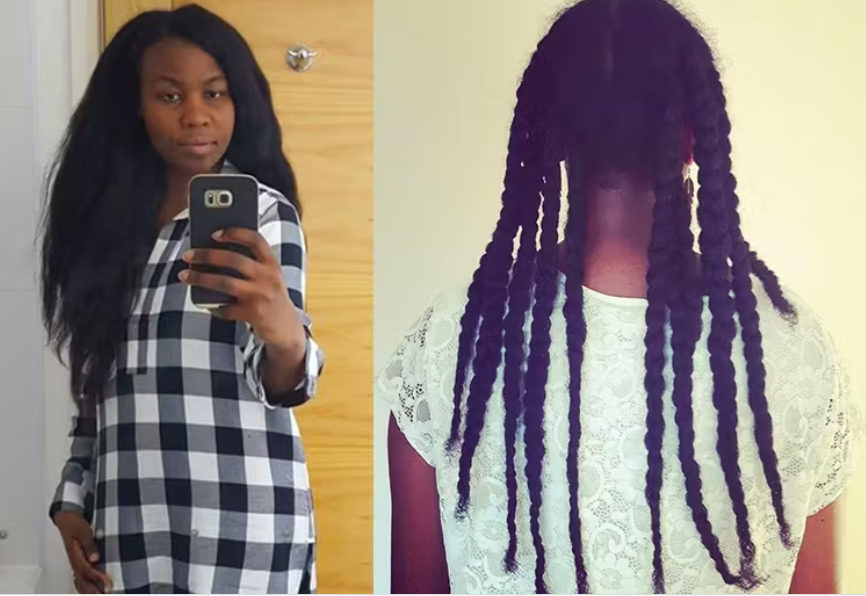
Just a to note; my articles tend to be very detailed so it’s always a good idea to bookmark them. And before you continue, don’t forget to check out my natural hair and wellness shop. You can purchase batana oil from Honduras. I also sell products for length retention and various wellness products like Kigelia africana powder and Kigelia africana oil.

Key takeaways
- Oils don’t moisturise on their own; they help seal water-based moisture in and soften the hair, which may mean less breakage.
- Batana, rosemary, castor, moringa, jojoba and many others are popular, but most evidence for them is traditional or early.
- Choose oils by porosity: lighter oils for low porosity hair, richer oils and butters for high porosity hair.
- Always dilute essential oils like rosemary, tea tree and lavender, and patch test first.
- If you’re losing hair or notice thinning patches, please see your GP or a dermatologist.
What Are The Best Oils to Grow Natural Hair Fast?

Here are some of the best oils for natural hair growth.
If you’d rather not mix your own blend, I make one that brings several of these oils together in one bottle. My Chebe Hair Growth Oil has a sweet almond and sunflower oil base with chebe, rosemary, burdock root and a little castor. I use it on my scalp and ends to keep my hair soft and to help with length retention.

1. Batana Oil
I see batana oil as one of the most underrated oils when it comes to growing thick, resilient hair, especially for 4C textures. It’s rich in fatty acids and antioxidants that many people find nourishing, and it may help reduce breakage—which is a major factor in retaining length. From my perspective, a lot of people focus only on “growth,” but with batana oil, the real strength is in moisture + retention, which can help you keep more of your length over time. Using batana and rosemary oil mix is even better. I will explain more about rosemary oil later.
What stands out to me is how batana oil works similarly to palm-derived oils that have been studied for hair health. According to this study by the International Journal of Trichology – “Hair Care: An Overview”, oils rich in fatty acids (like those found in palm-based oils such as batana) may help coat the hair and reduce protein loss (most of this research was on coconut oil, not batana itself). This is key for 4C hair, where dryness and breakage are common challenges.
BATANA OIL & ROSEMARY OIL

I also look at the antioxidant side of batana oil. Oils high in antioxidants and lipids may help protect hair a little from environmental damage, and batana oil is rich in both, though it hasn’t been studied much on its own.
From my perspective, the best way to use batana oil is as a deep treatment or hot oil treatment. When you warm it slightly and apply it to your scalp and hair, it helps soften and moisturise the hair and may reduce breakage. I also focus on consistent use—because with batana oil, the real results come from building stronger, healthier hair over time, not just quick fixes.
2. Rosemary Oil
Rosemary oil is the oil with the most interesting early research behind it, and lots of people with 4C hair like it in their scalp routine. According to this study – “Rosemary Oil vs Minoxidil 2% for the Treatment of Androgenetic Alopecia: A Randomized Comparative Trial” – a small group of people with pattern hair loss who used rosemary oil for 6 months saw an increase in hair count similar to those using minoxidil 2%. It was one small trial, so it’s early research rather than proof, and it may not work for everyone.
According to this review published on the National Center for Biotechnology Information (NCBI) – “The Use of Natural Ingredients in the Treatment of Alopecias” – the rosemary trial looked promising, with less scalp itching than minoxidil, but the evidence is still limited. If you’re dealing with hair loss, please see your GP or a dermatologist first.
From my perspective, the best way to use rosemary oil is through a hot oil treatment. When you warm the oil slightly and apply it to your scalp, it spreads more easily over the scalp. I also combine it with scalp massage, which feels lovely and is part of how I care for my hair. Always dilute rosemary essential oil in a carrier oil and patch test first.
3. Hemp Oil
Hemp oil was always (and still is) my favourite oils. It is a good one to use when trying to grow black African hair, as well as to help with dry hair. Not only do I consume Hemp oil orally (which I have been doing for the last 15 years), I also apply it topically on my scalp, hair and skin. Some people like to combine it with Neem oil and diluted Tea Tree oil for a flaky scalp, but if dandruff doesn’t settle, please see your GP or a dermatologist.
For me, hemp oil has helped keep my hair thick over the years. That was my own experience, not a promise; it may not work for every woman; please speak to your doctor before taking any oil by mouth. Read more on Hemp oil for natural hair growth.
4. Castor Oil
Castor oil, one of the best oils to grow natural hair, comes from the castor plant, Ricinus communis, which commonly grows in tropical regions. Castor oil carries ricinoleic acid and omega- 6 essential fatty acids, and it is traditionally used for thicker-looking hair and to seal in moisture, though the evidence that it speeds up growth is limited.
Hemp oil has always been my favourite oil, but about a couple of years ago, I started experimenting with Castor oil for natural hair growth. What I found was that the thick consistency of the oil was perfect for my 4c hair type. Read more on how to use castor hair to grow natural hair.
5. Moringa Oil
Moringa oil is one of the best oils to grow natural hair for African hair types of normal porosity. It has nourishing and emollient properties giving it benefits for use in skin and hair care products. It has one of the highest Oleic acid percentages of 73 -85 % , which is extremely important for thicker hair types such as mine. Moringa oil, as olive oil is useful in lifting dirt out of the hair and is an efficient natural cleanser for Afro hair.
It has good antioxidant properties, considered to be the factor behind its remarkable stability. Moringa is also native to many West African countries such as Ghana, Nigeria and Gambia. This is great news for the many African Naturals living on the continent. Read more on Moringa oil for natural hair growth.
6. Burdock Root Oil
Burdock root oil is traditionally used to care for black hair and the scalp, and some people find it soothing on a dry, itchy scalp. If you have redness, ongoing dandruff or think you have a scalp infection, please see your GP or a dermatologist.
Warning: Diabetics and pregnant women should be most careful when applying undiluted burdock root oil. Side effects of burdock oil may include reduction or increase in blood sugar levels, electrolyte imbalances, and skin allergy.
7. Olive Oil
Another oil you can use to help grow natural black African hair is olive oil. The problem I have with olive oil is that 95% of the so-called ‘olive oils’ found in supermarkets are not real. They are simply a blend of sunflower oil and cheaper olive oils.
Only when I went to Turkey did I find real olive oil. The best olive oil can only be found in Greece, Turkey, Italy, Lebanon, and most Mediterranean countries.
If you do get your hands on the real deal, using olive oil for natural hair growth can be lovely for your hair. You can use it to massage your scalp. The unsaturated fats in it help soften the hair, seal in moisture, reduce frizz and make hair more manageable, and its conditioning properties may help with breakage.
Olive oil is rich in antioxidants, and some people find it helps their hair feel less dry after harsh products.
For a deep conditioning treatment using olive oil, check out my article: Homemade Deep Conditioner for Damaged Hair.
8. Stinging Nettle Oil
One of the oldest hair loss remedies is stinging nettles (urtica diocia). It contains iron and silica, and it is traditionally used as a hair rinse and a tea. Some lab research has looked at nettle and DHT (the hormone linked to pattern hair loss), but this hasn’t been shown to work in people, so I see nettle as traditional care rather than a hair loss treatment.
Caution is advised when using herbs, so please consult your doctor first, especially before taking nettle capsules or tea if you’re pregnant, trying to conceive, or on medication. No clinical trials have shown that stinging nettle helps with hair loss, although it has been traditionally used for hair since ancient times.
9. Fenugreek Seed Oil
Fenugreek seed can be easily incorporated into your homemade hair care recipes so that you can reap the best benefits for your hair. If you want healthy, nourished-feeling hair, you could try using fenugreek seeds as a significant ingredient in your hair care regime. Read more on fenugreek for natural hair growth.
10. Black Seed Oil
The health of your scalp plays a vital role when it comes to the health of your hair, so pay attention to it if you want to grow natural hair. This is because hair is produced in the follicles on your scalp. Issues like oiliness, dandruff, and scalp irritation can hinder the productivity of your follicles by weakening or clogging them.
Black seed oil has been studied in the lab for anti-inflammatory and antimicrobial properties, and it is traditionally used in scalp care. Some people find it helps keep their scalp moisturised. If you have dandruff that won’t settle, psoriasis or eczema, please see your GP or a dermatologist rather than relying on an oil.
11. Amla Oil
Amla is probably the most popular oil to grow natural hair used in India for Ayurvedic hair growth treatments. Many people enjoy massaging their scalp with amla oil, and some find it helps with dry flakes, though the research on amla for hair growth is limited.
A comfortable, well-cared-for scalp is a good base for healthy-looking hair.
Vitamin C is an important part of a balanced diet, and amla is a rich source of it.
Along with vitamin C, amla is also extremely rich in antioxidants. Antioxidants help keep hair and follicles healthy by fighting off the damage-causing free radicals.
Some people find regularly using amla for hair care helps their hair feel stronger and may help with breakage and split ends.
12. Jojoba Oil for Scalp Care
There are many factors that can lead to the dryness of the scalp, dandruff, and increased hair loss. Jojoba oil is similar to sebum, the natural oil produced by our scalp, which is why many people find it a lovely light moisturiser for the scalp and hair.
Some people find it helps loosen flakes and leaves the scalp feeling clean and hydrated. Jojoba oil can moisturise the hair without leaving much residue. After applying it on hair, wait for a few minutes before washing the oil out.
13. Coconut Oil
Coconut oil helps keep your hair soft, which helps with length retention. Here’s how: The fatty acids found in coconut oil work with the natural proteins found in hair to protect it from breaking (and therefore allowing it to grow). In fact, the lauric acid found in our coconut oil is fantastic at caring for hair.
Shiny hair is happy, healthy hair and regular use of coconut oil could make your hair softer and more lustrous than ever before. Lab studies suggest coconut oil can get into the hair shaft better than many oils, which is why it is so good at moisturising and conditioning. A scalp massage with coconut oil also feels lovely as part of your routine.
Coconut oil contains natural antioxidants such as vitamin E, and many people find it keeps their hair soft and supple.
For more information on how coconut oil can help with hair growth, check out my article on Coconut oil for natural hair growth.
14. Tea Tree Oil
Tea tree is one of my favorite oils used to grow natural hair, which I use extensively in my hair care products. Tea tree oil has natural antifungal and antibacterial properties, and some people find a little diluted tea tree oil helps their scalp feel fresher and less itchy.
Always dilute tea tree oil in a carrier oil, as it can irritate the skin when used neat. If you have hair loss, a persistent itchy scalp or think you have a scalp infection, please see your GP or a dermatologist.
15. Lavender Oil
Lavender is one of the most popular essential oils, and many people like it in scalp oils for its scent.
A small trial looked at a blend of lavender, thyme, rosemary and cedarwood oils in people with alopecia areata, but it was one small study. Alopecia areata is an autoimmune condition, so please see your GP or a dermatologist if you have patchy hair loss.
Lavender oil also has antiseptic properties in the lab, but always dilute it before using it on your scalp.
16. Almond oil
Cold pressing of almond seeds, almond oil is on the side of olive oil for its ability to protect and moisturize hair.
When you massage the hair, some people find almond oil helps loosen dry flakes and soothes a dry scalp.
Although almond oil is not known to help hair grow, it may help soften the hair and make it less prone to breakage.
If you have a skin condition such as seborrheic dermatitis, please see your GP or a dermatologist. People with nut allergies should exercise caution when using almond oil and should stop using if allergic skin reactions occur.
17. Keratin Oil
In our intricate genetic system of cells and molecular chains, we also find an essential element called keratin. Keratin is a fibrous protein that is joined to each other through bridges or bonds, forming long resistant chains. Your DNA determines whether your hair will be kinkier, curlier, or straighter, based on how these keratin links are organized in your hair. If they are joined in a straight way, the hair will be straight. But if the connection is diagonal or asymmetrical, the hair takes the curly shape.
The keratin protein is also the main component that gives strength to hair. Finer, straighter has 50% less protein than kinky hair. Therefore, straight hair tends to be more flexible, which makes it fall straight with ease. Some scientists may say that straight hair is weaker and more prone to breakage and split ends, however, kinky curly hair is more prone to dryness, which causes breakage and our inability to grow hair past certain lengths.
The presence of a greater or lesser extent of this keratin also affects whether the hair is fine or strong. So when using oils for natural hair growth such as castor oil, coconut oil, avocado oil, and olive oil, it is best to use it in a keratin-rich homemade deep conditioner. You can see some homemade deep conditioner recipes in my article called: Homemade deep conditioner for natural hair growth. So now let’s find out what are the best oils for natural hair growth.
18. Fish Oil for Natural Afro Hair Growth
No matter how much oils you use on your hair, a poor diet can result in a vitamin deficiency that can lead to thinning of the hair.
So try to consume more proteins, especially from Fish. It contains 2 essential omega 3 fatty acids, eicosapentaenoic acid (EPA) and docosahexaenoic acid (DHA). Fish oil has long been known to be a critical component of health because our bodies do not produce these same acids. The list of health benefits of fish oil is long and impressive.
Although there has not been enough research done on the benefits of fish oil to grow natural hair and it has not been possible to establish a direct relationship, it is suggested that the nutritional effects of the oil on the skin would also apply to hair.
Unlike other essential oils, fish oil is not used topically. It is taken in capsule form, so please check with your doctor before starting it, especially if you’re pregnant or on blood-thinning medication. Eating oily fish as part of a balanced diet is a good place to start. Read more about that in my article called ‘Best Vitamins to Grow Natural Hair Fast‘.
19. Grape Seed Oil
Grapeseed oil contains powerful moisturizing properties that are considered effective when used on hair and scalp; It has the ability to transform hair like no other hair treatment system.
This oil, in particular, is much lighter and with less fat than its rivals, such as olive oil, due to its light composition that is easily absorbed into the skin and hair without weighing it down and eliminating the volume.
Grapeseed oil is suitable for use with any type of hair and because it contains hypoallergenic qualities, it is ideal for those who have sensitive skin. It is a clear substance and is almost completely odorless, making it the perfect companion for use with natural shampoos and conditioners.
Recipe for hair treatment with grape seed oil
- 4 tablespoons of grapeseed oil
- 4 tablespoons of jojoba oil
- ¼ teaspoon of ylang-ylang
- ¼ teaspoon of lavender
Add the grapeseed oil and jojoba oil in a plastic bag with an airtight seal. Add ylang ylang and lavender. Immerse the plastic bag in a container with warm water for about 3 minutes or until the oil feels warm to the touch. Remove the oil from the bag and place it in a container.
Apply the mixture directly on the scalp, while massaging gently with the fingertips completely covering each strand of hair. Leave on for about 30 minutes and then rinse and wash as usual.
20. Shea Butter Oil
The most used natural hair conditioner is extracted from the karité tree. It is produced from the nut of the shea tree, this type of tree is found in the tropical areas of eastern and western Africa. It offers extraordinary moisturizing properties and is therefore known as “The conditioner of mother nature”.
It has been used for decades in areas of Africa not only for hair but also for the entire body, due to its skincare qualities. It is traditionally used to moisturise dry skin, though it isn’t a treatment for burns, scars, dermatitis or stretch marks. To learn more about using shea butter for natural hair growth, read the article: Shea Butter for Natural Hair Growth.
Bear in mind that not all of these oils are suitable for everyone. Aim to choose oils best suited to your hair porosity. I will explain more on hair porosity very soon and will also list the benefits of the above-mentioned oils in more detail later on. But first, it is important to understand how the condition of our hair follicles affect our hair growth and how oils help with length retention.
The Structure of Hair Follicles – How It Can Help You Choose The Best Oils for Natural Hair Growth?
As many of us naturals know by now, growing and maintaining naturally curly, 4 B & 4C, black hair is not a walk in the park. It takes time, care, effort and a great deal of motivation. Using carrier oils and essential oil recipes for natural black hair growth can really help us maintain our hair. Oils can help with moisture and breakage, but there are many more factors to consider.
No doubt it is common for many of us natural hair girls to just use products on our hair without actually understanding the science of black hair. Understanding our unique hair structure will give us clues as to what ingredients will most benefit our hair. It truly helps to have basic knowledge of hair follicles and how the hair grows.
Hair curliness or straightness is determined by the shape of the hair follicle. Round follicles result in straight hair, while oval follicles result in curly hair. If your follicles are not totally round or oval, your hair will be somewhere in between or wavy.

Hair growth occurs in the base of the bulb of the hair follicle. The formation of hair follicles begins long before birth; no new hair follicles are formed after birth. Hair growth is cyclic, with periods of rest between growth spurts. About 50 to 100 hairs are shed daily. A buildup of sebum can slow the formation of hair cells. This is why it’s important to thoroughly wash your hair on a weekly basis when using oils for natural hair growth.

Hair Porosity – Choosing the best natural hair growth oils
By now you may have heard of the word ‘porosity’ floating around. Each hair type is characterized mainly by a different porosity which means that oils will work differently on each person. Your hair porosity is based on your hair’s ability to retain moisture.
To determine the porosity of your hair, you can either take the hair porosity test OR for a more detailed inspection, visit a hair trichologist to perform a microscopic inspection of your hair to closely observe and analyze its appearance.
- Hair with low porosity has closed cuticles, is often straight and causes problems in styling;
- Hair with normal porosity has the slightly open cuticle and is rougher than the first hair type;
- Hair with high porosity has the maximum opened cuticle, is dry and stressed.

Which natural hair growth oils are best for my hair porosity?
Oils are composed of esters, fatty acids, vitamins, phospholipids and minerals. They are structured on the basis of their characteristics. One criterion in the categorization of vegetable oils may be their absorption, which depends on the size of the molecules and the content of fatty acids.
- Drying oils with the majority of saturated fatty acids;
- Semi-drying oils have a majority of monounsaturated fatty acids (omega 7 and omega 9);
- Non-drying oils have a majority of polyunsaturated fatty acids (omega 3 and omega 6)
Best Oils for Low Porosity Hair:
The drying oils are better absorbed into the hair because they contain small molecules. These are mostly herbal butters containing the majority of saturated fatty acids, such as coconut oil, shea butter, babassu oil and cupuaçu butter, which are suitable for hair with low porosity.
Best Oils for Normal Porosity:
Somewhat larger molecules have semi-drying oils with unsaturated fatty acids omega 7 and omega 9. This group includes, among others, castor oil, hemp oil, macadamia oil, argan oil, marula oil, passion fruit oil or jojoba oil, which are suitable for hair with normal porosity.
Best Oils for High Porosity:
Large molecules are able to adapt to gaps in the cuticle layer. They are found in non-drying oils with the unsaturated fatty acids omega 3 and omega 6, eg evening primrose oil, cottonseed oil and avocado oil, which are suitable for hair with high porosity.
So now let’s take a look at what I consider to be the best oils for natural hair growth in more detail:
Other Best Oils for Natural Hair Growth
For more information on using oils for natural hair growth, check out my other articles on:
- Argan oil for natural hair growth
- Shea butter for natural hair growth
- Best essential oils for natural black hair growth
Ayurvedic Herbs & Powders for Natural Hair
You can read more about using ayurvedic herbs and powders for natural hair in the article titled: Ayurvedic herbs for natural hair.
Best Herbs & Oils for Frizz Control
If your hair regularly feels dry and frizzy, it may be a sign that it is a need of some daily conditioning. Frizz causes dryness which halts our ability to grow natural hair. Opt for protein-rich oils for natural hair such as Hemp oil, Coconut oil, Avocado oil, and Moringa oil. Many people find these oils help smooth the hair, which results in a reduction of frizz and a smoother appearance. This practice is great if you have porous and coarse curls and is a care routine that helps with length retention.
Best Herbs & Oils for Hot Oil Treatments
If your hair is breaking or damaged I advise doing a hot oil treatment for natural hair growth. I recommend trying the Moringa and Honey oil treatment, which can help keep your hair soft and healthy-looking in the long run. Click here for the full recipe.
Applying hot oil on the hair is a treatment that helps protect the ends of the hair. The ends of your hair receive the least oil, so they are usually the most damaged and dried out part of the hair. They are more prone to getting damaged which is why you should take extra measures to protect them.
Daily Natural Hair Regimen When Using Oils

Below is the Jostylin daily care regimen for hair growth and healthy hair.
Trim your hair when needed: It’s no secret that damaged hair tends to slow down the natural growth process of your hair. When you start noticing that your hair is getting constantly dry, it may be time for a serious trim. Be sure to trim your hair once a month, which is an effective way to keep split ends at bay.
Wrap your hair with a satin bonnet at night: To avoid constant dryness of hair make sure you wrap your hair, in order to aid in moisture retention. If you can’t wrap your hair during the day, you can always wear a scarf during the night. A satin or silk scarf is recommended as they do not absorb oil like other fabrics.
Sleep with a satin pillowcase: To avoid oil getting sucked out of your hair while you sleep, use a silk pillowcase.
Avoid frequent use of rubber bands: Tying hair back with rubber bands often causes breakage of hair. Opt for a softer hairband made from satin or silky fabrics.
Braid your hair often: This reduces the exposure of hair, hence less damage is done to your hair. There are different styles of braids to go for such as Marley braids or box braids, whatever style you choose, make sure the braids are not too heavy on your hair which can cause further breakage.
Eat good food: Food that helps with the growth of your hair should be consumed more. Vitamin C is vital for stronger hair and a deficiency in Vitamin C causes hair breakage. Blueberries are a great source of Vitamin C, so we advise consuming more of them. Greek yogurts and eggs are great sources of protein that are well known to enhance hair strands. For healthy hair follicles, opt for foods that are rich in omega3-fatty acid and protein such as salmon and avocado.
For more on creating a good hair care regimen, read my article on 4C hair growth regimen.
Using Oils On Protective Natural Hair Styles to Help Grow Natural Fast
Taking proper care of hair moisture is paramount, especially if you live in drier countries. You will want to retain moisture in order to prevent dryness and breakage.
The best way you can ensure your hair is protected is to wear it in a protective style such as braids or twists. This will ensure that the right amount of moisture will stay locked in your hair, to keep your afro hair healthy, moisturized, and frizz-free, thus helping you retain more length.
Protective styles are great, as they can also be worn out if you want to let your hair down and have fun later at night.
Using Oils to Prevent Dryness & Grow Natural Hair
Although dry, damaged hair can be a cause of distress, it is in most cases, not something to lose sleepover. The good news is that, if properly taken care of, your hair can grow back stronger and healthier.
Sadly, let’s be real and admit that the already damaged part of your hair is irreversible and would be better off chopped off.
However, if you are not yet ready for a big chop, why not try a hot oil treatment for natural hair? This can help give the damaged hair the extra body and shine it deserves.
I have prepared a useful recipe for a hot oil hair treatment to strengthen natural Afro hair. It will help keep your hair soft and tangle-free whilst in transition. Consider braiding your hair and avoid daily manipulation for even better results.

Want to share this infographic on your site? 📋
You’re welcome to use it on your blog or website. Just copy the code below so it credits Jostylin.
<a href="https://jostylin.com/the-best-herbs-and-oils-to-grow-natural-hair/"><img src="https://jostylin.com/wp-content/uploads/2026/11/jostylin-749-infographic.jpg" alt="Infographic: 6 tips on the best oils for natural hair, with Joanna's natural hair" width="600" /></a><br />Infographic by <a href="https://jostylin.com/the-best-herbs-and-oils-to-grow-natural-hair/">Joanna at Jostylin.com</a>Best Oils for Natural Hair Growth: Frequently Asked Questions
What are the best oils for natural hair growth on 4C hair?
There isn’t one single best oil for everyone. With 4C hair I find the most useful oils are the ones that help me hold on to moisture and reduce breakage, because that’s what lets you keep your length. Castor, batana and shea suit thicker, drier hair, while lighter oils like jojoba or grapeseed suit hair that gets weighed down easily.
Can oils actually make natural hair grow faster?
I’d be honest here: oils mainly soften, coat and protect the hair, and most of them haven’t been tested as growth treatments in people. Rosemary oil is the one with a small human trial behind it, and that was for pattern hair loss. Where oils really help is length retention, because less breakage means you can see the growth you already have.
How often should I oil my natural hair and scalp?
For most of us a light application to the scalp and ends a few times a week is plenty, plus a hot oil treatment on wash day if your hair is dry. Too much oil can build up on the scalp, so I’d always wash it out properly each week. Watch how your own hair responds and adjust.
Do the best oils for natural hair growth depend on my hair porosity?
Yes, porosity makes a big difference to how an oil feels on your hair. Low porosity hair often prefers lighter oils that don’t sit on top, and high porosity hair usually does better with richer oils and butters that help seal in moisture. Take the porosity test I linked above if you’re not sure where you fall.
What the research says about the best oils for natural hair growth
- A 2025 clinical review explains that afro-textured hair has the same chemistry as other hair, but its curved, elliptical shape creates weak points, which is why our hair breaks more easily and holds less moisture. That’s why I think of oils as a way to protect length rather than a magic growth fix (study).
- A 2003 lab study found that coconut oil was the only oil tested (against sunflower and mineral oil) that clearly reduced protein loss from hair. It was a lab test on hair fibres rather than afro hair, and the authors worked for a coconut-oil brand (study).
- A 2022 review of traditional hair oils concluded that most of them mainly soften and coat the hair, and that much of the evidence for extra benefits comes from lab or animal studies, so I’d always keep expectations realistic (study).
More Tips On: How to Grow Natural Black Hair Fast
For more information on how to grow natural hair please read the article: How to Grow Natural Hair. Here are some other important factors that influence hair growth.

Hi, I’m Joanna. I’ve been natural for 15 years and I founded Jostylin Naturals, a London-based shop for natural hair care and West African botanicals. On this blog I share what I’ve learned about 4C hair, length retention and the plants West African women have used for generations, honestly and in plain English. Nothing here is medical advice, so please speak to your doctor about any health concerns.