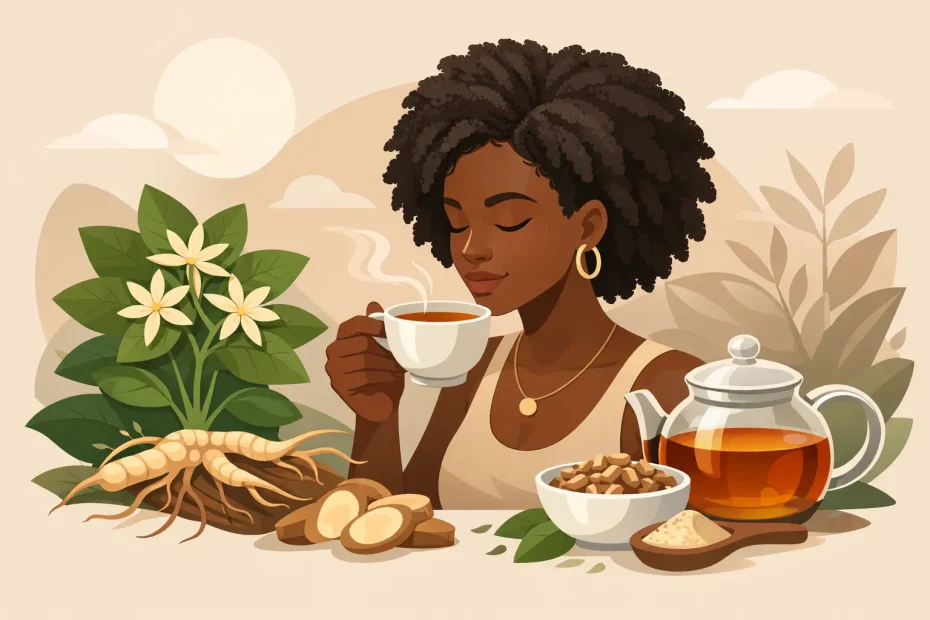
Some herbs carry a story long before they reach a teacup, and Mondia whitei is one of them. When people search for mondia whitei tea benefits, they are usually looking for more than a warm drink. They want to know what this African botanical may support, how it has been used traditionally, and whether it fits into a modern wellness routine without hype.
Mondia whitei is a climbing plant native to parts of Africa and is especially known for its aromatic root. In different communities, the root has been chewed, infused, or used in traditional preparations for vitality, appetite, and general well-being. The tea is typically made from the root, which has a distinctive scent that some people describe as warm, spicy, or vanilla-like. That sensory experience is part of its appeal, but the real interest is in what the tea may actually do.
What is Mondia whitei tea?
Mondia whitei tea is usually prepared by steeping or simmering the dried root in water. Unlike trendy wellness ingredients that appear overnight and vanish just as fast, this plant has cultural roots and traditional relevance. That matters. A botanical with a long history of use deserves to be approached with both respect and clear-eyed curiosity.
Tea made from Mondia whitei is not a magic fix. It is better understood as part of a broader herbal tradition where plants are used consistently, thoughtfully, and in context. The effects people notice can depend on the quality of the root, how concentrated the tea is, and the individual drinking it.
7 Mondia whitei tea benefits people often look for
1. It may support libido and sexual wellness
This is the benefit most often associated with Mondia whitei. In traditional use, the root has been valued as a plant linked with sensual vitality and reproductive wellness. That reputation is one reason interest in the tea has spread beyond local communities.
For some people, this may show up as improved desire or a greater sense of physical vitality. Still, libido is complex. Stress, hormone balance, sleep, medications, and emotional health all play a role. Tea alone is rarely the full answer, but it may complement a more intentional wellness routine.
2. It may help with appetite stimulation
Mondia whitei has also been used traditionally to encourage appetite. That can be useful for people recovering from illness, dealing with low appetite during stressful periods, or simply trying to reconnect with regular eating patterns.
This benefit is very individual. For someone with a naturally low appetite, a bitter or aromatic herbal tea before meals may feel supportive. For someone who is already trying to manage overeating, this may not be the reason they want to use it. Context matters.
3. It may contribute to general energy and vitality
People often use the word energy loosely, but with herbal tea, what they usually mean is feeling less sluggish and more balanced through the day. Mondia whitei is traditionally associated with strengthening the body and supporting stamina.
That does not mean it works like caffeine. In fact, many people prefer herbs like this because the effect can feel gentler. If you are looking for a botanical that fits into a grounded wellness practice rather than a quick jolt, this is part of the appeal.
4. It contains plant compounds with antioxidant potential
Like many roots and botanicals used in traditional medicine, Mondia whitei contains natural plant compounds that may offer antioxidant activity. Antioxidants matter because they help the body respond to oxidative stress, which is linked to aging and general wear and tear at the cellular level.
That said, no single tea should be treated as your entire antioxidant strategy. A nutrient-rich diet, hydration, sleep, and stress care still do the heavy lifting. Think of herbal tea as one small support, not the whole system.
5. It may support digestive comfort
Warm herbal infusions often become part of a digestive routine because they slow you down, warm the stomach, and can feel settling after meals. Mondia whitei tea may offer that same kind of support, especially when used in moderate amounts.
Some people find root-based teas grounding and soothing. Others may find strong preparations too intense, especially on an empty stomach. If you are curious about digestive support, starting with a mild brew makes more sense than making it very strong right away.
6. It may help you build a more intentional wellness ritual
Not every benefit of tea comes from chemistry alone. There is also value in the ritual. Preparing Mondia whitei tea can become a quiet act of self-care, especially for women trying to create wellness routines that feel culturally rooted and less rushed.
This matters more than people sometimes admit. A cup of herbal tea can mark the transition into rest, reflection, or body awareness. That ritual may not show up on a supplement label, but it can still be deeply supportive.
7. It connects modern wellness with African botanical knowledge
One of the most meaningful mondia whitei tea benefits is cultural, not just physical. For readers who care about African botanicals and ancestral plant knowledge, using this tea can be part of a larger shift away from trend-based wellness and toward traditions that already hold value.
That does not mean every traditional herb is right for every person. It does mean we can approach these botanicals with respect, curiosity, and care rather than waiting for mainstream wellness to validate them first. At Jostylin, that perspective matters because so much of real beauty and wellness knowledge has always lived in our communities.
How to prepare Mondia whitei tea
The exact method depends on whether you have cut root, powder, or tea bags. In most cases, dried root is simmered gently in water for several minutes and then left to steep before straining. A lighter infusion will have a milder taste, while a decoction made by simmering longer will be stronger and more earthy.
If you are new to it, start small. One cup made with a modest amount of root is enough to understand how your body responds. There is no benefit to going overboard on day one, especially with a botanical you have never used before.
Taste also matters. Some people drink it plain, while others prefer to soften the flavor with ginger, cloves, or a little natural sweetener. If your goal is to get to know the herb itself, try it plain first, then adjust from there.
What to know before drinking Mondia whitei tea
Traditional use gives us useful context, but it is not the same as a guarantee of safety for every person. If you are pregnant, breastfeeding, taking medication, or managing a medical condition, it is smart to check with a qualified healthcare professional before making this a regular tea.
It is also worth paying attention to sourcing. With African botanicals, quality can vary a lot. The condition of the root, how it was dried, and how it was stored all affect the final tea. A poorly sourced herb can give you a very different experience from a fresh, well-handled one.
Moderation is the better path here. More is not automatically better, and stronger is not always more effective. Herbal wellness works best when it is steady and informed.
Who may enjoy Mondia whitei tea most?
This tea may appeal most to adults who enjoy traditional herbs, want to explore African botanicals in a more everyday format, or are looking for a caffeine-free wellness drink linked with vitality and appetite support. It can also be a good fit for people who prefer a slower, ritual-based approach to herbal care.
If you expect instant, dramatic results, this may not be the right mindset. Herbs tend to be more subtle than that. The better question is whether this plant belongs in your wider wellness rhythm and whether its traditional uses match what you are actually looking for.
Are mondia whitei tea benefits backed by research?
Research on Mondia whitei exists, but it is still more limited than what we see for heavily commercialized herbs. Some early studies and traditional records have helped shape interest in its effects, especially around sexual wellness and antioxidant activity. But the evidence is not yet broad enough to make sweeping promises.
That is where honesty matters. A plant can be culturally significant and genuinely useful without being exaggerated. If you decide to try it, the best approach is to stay curious, keep expectations realistic, and pay attention to your own response over time.
If Mondia whitei tea speaks to you, let it be part of a wellness practice that is rooted, informed, and personal – the kind that honors where a botanical comes from as much as what it may do.