
If you’re dealing with an itchy scalp on 4C hair, here’s the short answer: Nizoral shampoo combined with a batana oil and rosemary oil mix is what finally stopped mine. No more guessing, no more wasting money on products that don’t work. That combination was my game-changer — and my hair has grown well past waist length to prove it still thrives. You can see my hair in the picture.
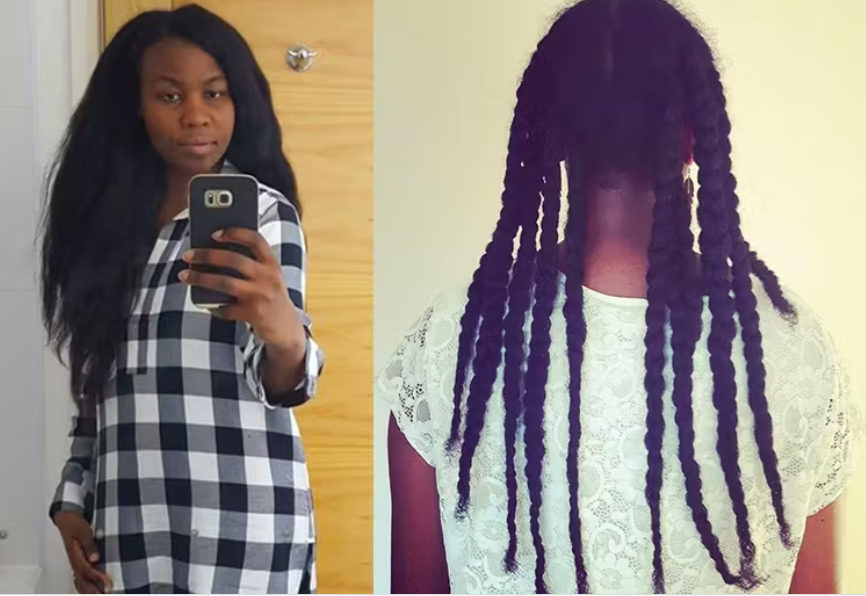
In this post, I’ll break down exactly how I used both to treat my itchy scalp 4C hair, what was actually causing the itch in the first place, and how you can apply the same routine to your natural hair.
Before you continue, don’t forget to check out my natural hair and wellness shop. You can purchase batana oil from Honduras as well as various products for length retention and wellness products like Kigelia africana powder and Kigelia africana oil.

My Routine to Get Rid of Itchy Scalp
Once a week on wash day, I used Nizoral shampoo directly on my scalp, massaged it in, and let it sit for a ten minutes before rinsing. That wait time matters — it gives the ketoconazole enough time to actually work against the fungal buildup causing the itch. I then followed up with my regular conditioner to make sure my 4C hair stayed moisturised, since Nizoral is a medicated shampoo and can feel stripping if you don’t counter it.
Right after washing, while my hair was still damp, I mixed batana oil with a few drops of batana and rosemary oil and massaged it directly into my scalp. The results honestly surprised me. The itching stopped immediately — not after weeks of waiting, but straight away. And within a month, I noticed my hair was visibly thicker with new growth coming through.
Damp hair is key when applying the oil mix — it absorbs better and seals in moisture rather than just sitting on the surface. But what really made the difference was consistency. Showing up for my scalp every single wash day is what kept the itch gone and the growth coming.
BATANA OIL & ROSEMARY OIL

Nizarol and Batana Oil for Itchy Scalp – Why it Works
This isn’t just a random combination I stumbled upon. There’s solid reasoning — and real science — behind why why using a Nizoral shampoo followed by a batana and rosemary oil treatment work so well together, especially for itchy scalp 4C hair treatment.
The combination of Nizoral with batana and rosemary oil also helps with hair growth and thickness. I have made a video about Nizoral and how it helped my hair with growth.
Nizoral (Ketoconazole) — Targeting the Root Cause of Itchy Scalp
Most itchy scalps aren’t just about dryness. A major culprit is an overgrowth of a naturally occurring scalp fungus called Malassezia, which triggers inflammation, flaking, and that relentless itch. This is where Nizoral comes in.
Nizoral’s active ingredient, ketoconazole, is an antifungal that directly targets and eliminates Malassezia. In a large multicentre study, ketoconazole 2% shampoo used twice weekly produced an excellent response in 88% of patients with moderate to severe dandruff and seborrhoeic dermatitis, per this study on PubMed — the same scalp conditions that cause chronic itching.
And it doesn’t just treat the itch — it keeps it away. Studies show ketoconazole shampoo produced a 73% improvement in dandruff severity score compared to 67% for zinc pyrithione shampoo, with fewer relapses, according to this study.
Rosemary Oil — Soothing the Scalp and Stimulating Growth
Once Nizoral clears the fungal issue, rosemary oil steps in to calm and nourish the scalp. It’s not just a trendy ingredient — it’s backed by research. A 2015 clinical trial found rosemary essential oil to be as effective as minoxidil for hair growth, and it outperformed minoxidil specifically at reducing scalp itching, per Healthline.
Rosemary oil has antioxidant, anti-inflammatory, and antimicrobial properties that promote scalp health and follicular stimulation, while also enhancing circulation and extending the anagen (growth) phase of the hair cycle, according to a study published on PubMed Central.
Batana Oil — Deep Nourishment for 4C Hair
Batana oil brings the moisture and scalp barrier repair that 4C hair desperately needs between wash days. Batana oil contains phytosterols with anti-inflammatory effects, useful for calming mild redness and irritation, alongside antioxidants like tocopherols that may reduce oxidative stress on the scalp.
It’s rich in oleic, linoleic, and palmitic fatty acids that lock in moisture, alongside vitamin E — a powerful antioxidant that helps protect the scalp from irritation and damage. These nutrients are particularly valuable for coily hair types prone to dryness and scalp sensitivity.
Why the Combination Works
Think of it this way: Nizoral clears the problem, rosemary oil soothes and stimulates, and batana oil seals in moisture and protects. Together, they tackle itchy scalp 4C hair from every angle — fungal, inflammatory, and hydration-related.
How to Stop Itchy Scalp Coming Back on 4C Hair
1. Don’t skip wash day Product buildup, sweat, and dead skin cells are a breeding ground for the fungus that causes itching. Stretching wash day too long on 4C hair is tempting, but your scalp pays the price. Stick to a consistent wash schedule.
2. Always dilute your shampoo Harsh shampoos strip your scalp of its natural oils, triggering dryness and irritation. Diluting your shampoo — or alternating Nizoral with a gentler sulfate-free shampoo — keeps your scalp balanced without leaving it vulnerable.
3. Keep the batana and rosemary oil mix in your routine Even after the itch is gone, don’t stop the oil mix. Think of it as maintenance. Applying it to damp hair after every wash day keeps your scalp nourished, your hair follicles stimulated, and the itch from creeping back.
4. Watch what you put on your scalp Heavy butters and thick products applied directly to the scalp can clog follicles and feed fungal growth. Keep rich products on your strands and lengths, and stick to lightweight oils for your scalp.
5. Protect your scalp at night Friction and moisture loss overnight can irritate your scalp. A satin bonnet or pillowcase is a simple but effective way to protect both your scalp and your 4C curls while you sleep.
What Causes Itchy Scalp?
1. Dandruff: A Fungal Foe
Diving into the saga of dandruff on my natural hair journey, I’ve come face-to-face with an unexpected guest: Malassezia. This isn’t your ordinary fungus. It’s a slick character that really enjoys the sebum our scalps produce. Normally, sebum and I are on good terms—it’s that natural oil that keeps my scalp and hair from turning into a dry, lifeless desert. But when Malassezia decides to throw a party, it invites too much skin cell turnover, and suddenly, my scalp’s shedding skin cells like it’s going out of style. That’s when the flakiness and itchiness start to crash my vibe.
Here’s the twist in the plot: simply shampooing more often with my usual stuff isn’t going to cut it. While I’m all for keeping my scalp clean, this routine doesn’t exactly show Malassezia the door. It’s like trying to bail out a boat with a teaspoon—well-intentioned, but not quite effective. To truly tackle this dandruff drama, I learned that a more targeted approach was necessary. A brief cameo by a medicated shampoo designed to combat Malassezia can make a world of difference.
So, to anyone else navigating the dandruff detour on their natural hair journey, know this: it’s all about understanding the dynamics between our scalp’s natural oils and the uninvited guests who might overstay their welcome. Finding the right product to rebalance this relationship is key. And remember, the goal is a healthy scalp, because a healthy scalp means a happier hair journey.
2. Dry Scalp: Lack of Moisture

Now, let’s pivot to another chapter in my Type 4 natural hair itchy saga: the dry scalp dilemma. Unlike the fungal fanfare that dandruff brings, a dry scalp is like wandering through a desert on your head. It’s all about that lack of moisture. And let me tell you, with Type 4 hair, this can be a frequent flyer due to our hair’s unique texture. This texture tends to hold onto products at the roots, sometimes neglecting the scalp, leading to dryness. When your scalp is begging for moisture, it can start to feel like a tight cap of irritation and flakiness, setting off an itch that no amount of scratching can satisfy.
Diving deeper, the essence of the problem lies in hydration—or the lack thereof. Our scalps produce sebum, that natural oil meant to keep our scalp and hair moisturized. But here’s the catch: with Type 4 hair, that sebum has a tougher time traveling down the coils and curls, often leaving the scalp high and dry. This lack of moisture can lead to a scalp that feels neglected, paving the way for irritation and those misleading flakes that aren’t dandruff but sure look the part.
The game plan for tackling a dry itchy scalp? It’s all about bringing hydration back to the party and making sure it sticks around. This means leaning into hair care products that go beyond the surface-level moisture. We’re talking deep hydration that reaches the scalp and locks it in. My go-to’s? Products brimming with natural oils and butters. Shea butter and coconut oil have become my scalp’s best friends. They’re like the oasis in the desert, providing that much-needed hydration and keeping my scalp from feeling like it’s in a perpetual state of drought.
But it’s not just about slathering on these moisturizers. It’s about choosing the right products that understand the assignment: hydrating the scalp without weighing down our hair. This balance is crucial for us with Type 4 hair. We need that moisture to penetrate and nourish the scalp while keeping our curls buoyant and lively.
And here’s a tip from my own trial and error: when applying these hydrating heroes, make sure to massage them into your scalp. This not only ensures even distribution but also encourages blood circulation, which in turn promotes healthier hair growth. It’s like hitting two birds with one stone—soothing your scalp and fostering an environment where your Type 4 hair can thrive.
3. Product Build-Up: The Silent Scalp Aggravator
Navigating through my Type 4 natural hair journey, I stumbled upon yet another twist in the plot when concerning itchy scalp: product build-up, the silent scalp aggravator. Let’s be real, in our quest to keep our coils and kinks at their best, we often layer on products like there’s no tomorrow—creams, butters, oils, you name it. But here’s the thing, while these products promise to lock in moisture and define our curls, they can also leave behind a not-so-welcome gift: build-up that clogs our scalp’s pores. This isn’t just about a little greasiness; this is about creating an environment on our scalp that’s ripe for irritation, itching, and even hindering healthy hair growth.
Product build-up is like that guest who overstays their welcome at your party, and now you’re stuck trying to find a polite way to show them the door. Heavy oils and creams, while they’re great for sealing in moisture, can accumulate over time, trapping dirt and dead skin. This mix creates a layer on the scalp that’s hard for anything beneficial to get through, like moisture or even the essential act of breathing. The result? An itchy, irritated scalp that’s crying out for a detox.
Enter the hero of our story: clarifying shampoo. This isn’t your everyday shampoo; it’s like a detox session for your scalp, designed to cut through the build-up and give your pores a chance to breathe again. Regular use of a clarifying shampoo has been a game-changer for me, helping to maintain a clean, healthy scalp that’s ready to support hair growth and health. But, as with everything, balance is key. Too much clarifying can strip away natural oils, so I’ve learned to listen to my hair and scalp, using it just enough to keep build-up at bay without causing dryness.
Now, on the flip side of product choice, it’s crucial to select wisely. I’ve been leaning towards lightweight, non-comedogenic products that nourish without weighing down my hair or suffocating my scalp. It’s about finding that sweet spot where your hair gets what it needs without leaving residue that could spell trouble.
Amidst exploring natural remedies, I discovered neem oil, an unsung hero with antifungal and antibacterial properties. It’s like bringing in a gentle, yet powerful ally to help fight off any scalp nasties, including the dandruff-causing fungi. Incorporating neem oil into my routine has helped me tackle the root causes of itchiness, offering a natural solution to maintain scalp health.
While I’m not diving deep into product reviews here, I’ve found that integrating an anti-dandruff oil tailored for natural hair into my care routine provides focused action against scalp issues. It’s about using products that understand the unique needs of Type 4 hair, supporting a healthy, itch-free scalp environment.
So, to my fellow Type 4 naturals dealing with the sneakiness of product build-up, remember: regular scalp detoxes, wise product choices, and natural allies like neem oil can transform your scalp care routine, ensuring your hair’s foundation remains as vibrant and healthy as your curls.
FAQs
What’s the best itchy scalp on natural hair treatment?
Treating itchy scalp in natural hair involves targeted approaches. I integrate neem oil into my routine for its potent natural antifungal properties, applying it directly to the scalp to soothe and heal. Natural shampoos like the Jostylin anti-dandruff shampoo has neem oil as its base. Alternatively, you can choose medicated shampoos like Nizoral, which directly combat the fungal culprit behind dandruff. Additionally,
How do I stop my natural hair from itching?
Answer: If your natural 4c hair is causing you an itch, fret not! To get rid of that annoying itch on your natural hair, start by hydrating it well. Opt for sulfate-free products and treat your scalp to regular massages. Don’t forget those soothing oils like tea tree or peppermint—they’re your ticket to itch-free bliss and, hey, they might even promote hair growth!
How do you fix an itchy scalp?
Answer: Dealing with an itchy scalp on natural hair? Been there, done that! To treat that pesky itch on your natural 4c hair, handle it with care. Ditch the harsh chemicals and opt for gentle shampoos. Try exfoliating treatments to banish buildup. And remember, scratching just worsens things, so resist the urge! Trust me; your scalp will thank you.
What causes itchy scalp in African American hair?
Answer: Wondering why your natural 4c hair is causing an itch fest? Dryness is often the culprit. Those gorgeous curls need extra moisture to thrive! Say goodbye to dandruff by pampering your scalp with nourishing products. And watch out for conditions like dermatitis or psoriasis—they can add to the itchiness, but with proper treatment and care, you’ll have your scalp feeling fabulous again in no time!
Is itchy scalp a symptom of anything?
Answer: You bet! An itchy scalp on natural hair isn’t just annoying; it could also mess with your hair growth game. But don’t worry; there’s light at the end of the tunnel! Keep your scalp clean and moisturized to keep dandruff at bay. And if the itch persists, don’t hesitate to reach out to a pro for help. With the right care and maybe a handy home remedy or two, you’ll have that itch under control in no time!
What are the best itchy scalp on natural hair home remedies
When it comes to soothing that pesky itch on your natural 4c hair, home remedies can work wonders! Try these favorites:
- Apple Cider Vinegar Rinse: Mix equal parts water and apple cider vinegar, then apply to your scalp. Let it sit for a few minutes before rinsing thoroughly.
- Aloe Vera Gel: Pure aloe vera gel straight from the plant can provide instant relief. Apply it directly to your scalp and leave it on for about 30 minutes before rinsing.
- Coconut Oil: Warm up some coconut oil and massage it into your scalp. Leave it on overnight for deep hydration and itch relief.
- Tea Tree Oil: Dilute a few drops of tea tree oil with a carrier oil like coconut or olive oil, then massage it into your scalp. Tea tree oil has natural antifungal properties that can help with itchiness.
- Oatmeal Paste: Mix oatmeal with water to create a paste, then apply it to your scalp and leave it on for 20-30 minutes before rinsing.