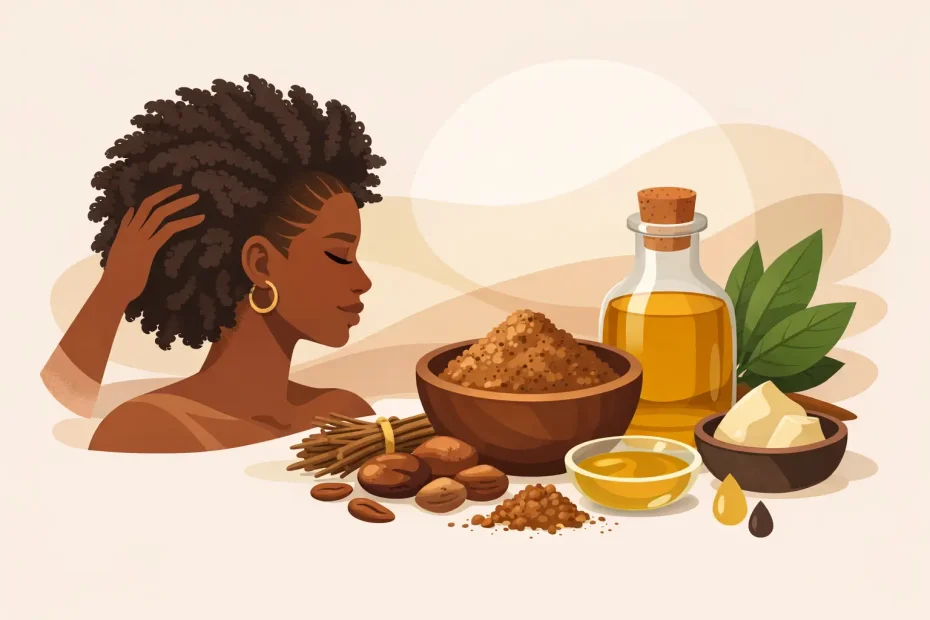
If your hair feels stuck at the same length no matter how careful you are, the issue is often not growth itself – it is breakage, dryness, and poor length retention. That is exactly why so many women want to know how to use chebe powder and karkar oil for hair growth. Used the right way, this traditional pairing can help keep textured hair softer, more protected, and less likely to snap before you ever see your progress.
Chebe powder has roots in long-standing hair practices from Chad, especially among women known for retaining impressive hair length. Karkar oil is commonly used alongside it as part of a moisturizing and sealing routine. Together, they are not magic ingredients, and they will not force hair to grow overnight. What they can do is support the conditions that help your hair stay on your head longer, which is what many of us are really after.
What chebe powder and karkar oil actually do

Chebe powder is typically used on the hair shaft, not the scalp. That matters. Its reputation comes from helping hair stay moisturized and reducing friction and breakage over time. It is less about stimulating the follicle and more about preserving the strands you already have.
Karkar oil works as the companion step. It helps soften the hair, seal in moisture, and make the chebe mixture easier to spread through textured hair.
For type 4 and especially 4C hair, that slip and coating effect can make a real difference during styling and protective wear.
When people say this combo is for hair growth, the more accurate phrase is length retention. Hair may already be growing from your scalp at its usual rate, but if the ends keep breaking, you never see that growth.
A routine built around moisture retention and reduced manipulation can change that.
Try the Jostylin Naturals Chebe Powder

How to use chebe powder and karkar oil for hair growth
The best way to use this combination is on clean or lightly refreshed hair that has already been moisturized. I do not recommend applying dry chebe powder straight to dry hair and hoping for the best. That usually leads to buildup, tangles, and frustration.
Start by dividing your hair into workable sections. If your hair is dense, smaller sections will give you better coverage and less breakage during the process. Lightly mist each section with water or apply a water-based leave-in so the hair is damp, not soaking.
Next, apply your cream or butter if your hair needs extra softness. Then take a small amount of karkar oil and smooth it through the length of the section, paying attention to the ends. After that, add chebe powder in one of two ways: either mixed into the oil or butter beforehand, or sprinkled lightly into your palm and worked into the section with the product already on your hair. The premixed method is usually easier and less messy.
Once the section is coated, braid or twist it. That step is important because chebe powder works best when the hair is stretched and tucked away rather than left loose. Repeat through the rest of your hair, then cover with a satin scarf or bonnet.
You can leave the twists or braids in for several days, then remoisturize as needed. Many women repeat the process weekly or every few days depending on their routine, climate, and how their scalp feels.
A simple weekly routine that works for textured hair
If you want structure without overcomplicating things, keep the routine simple. Wash or cleanse your hair at the start of the week, then deep condition if your hair is dry or brittle. After rinsing, work in sections with moisture first, karkar oil second, and chebe mixture last before twisting or braiding.
Midweek, check your hair instead of blindly reapplying product. If your twists still feel soft and moisturized, leave them alone. If they feel dry, lightly mist them and smooth a very small amount of oil over the length. You do not need to pile on chebe powder every day.
At the end of the week, take the style down gently and assess your scalp and strands. If your hair feels coated but healthy, that means you are likely using enough product. If it feels hard, gritty, or difficult to detangle, reduce the amount of chebe next time.
Should you apply it to your scalp?
In most cases, no. Chebe powder is traditionally used on the hair, especially from mid-length to ends, and not massaged directly into the scalp. If you have a sensitive scalp, dandruff, psoriasis, or product sensitivity, putting powder directly on the scalp can make things worse.
Karkar oil is a little different. Some people use a small amount on the scalp if the formula agrees with them, but even then, moderation matters. A greasy scalp does not automatically mean a healthier scalp. Hair growth support starts with balance, not overload.
If your goal is scalp stimulation, that is a separate concern. Keep chebe for length retention and use scalp-focused practices thoughtfully, especially if you are prone to buildup or itching.
The best hair types and situations for this method
This routine tends to work best for coily, kinky, and very dry textured hair, especially hair that thrives in low-manipulation styles. If your strands are fine but dense, use a lighter hand so you do not weigh them down. If your hair is highly porous and loses moisture quickly, this combination may be especially helpful.
It is also a strong fit for women wearing twists, plaits, wigs between wash days, or other protective styles that keep the ends tucked away. That protective element is part of why the method works.
If you have loose curls, a silk press routine, or a scalp condition that reacts to heavy products, this may not be your everyday method. It can still be used, but with more caution and less frequency.
Common mistakes that slow your results
The first mistake is using too much powder. More is not better here. Too much chebe can leave the hair rough, coated, and difficult to cleanse out.
The second mistake is skipping moisture. Chebe is not a moisturizer by itself. If you do not add water or a water-based product first, you are sealing dryness into the hair.
The third mistake is expecting scalp growth from a strand-focused method. This routine helps preserve hair length. It does not replace good scalp care, nutrition, gentle detangling, or regular cleansing.
Another common issue is neglecting wash day. If you keep layering oil and powder for too long without cleansing, you may end up with buildup that makes the hair dull and harder to manage. Healthy retention routines still need a reset.
How often should you use chebe powder and karkar oil?
Once or twice a week is enough for most people. If your hair stays in chunky twists for several days and holds moisture well, weekly use may be perfect. If your hair dries out quickly, you might refresh more often with water and a touch of oil, but that does not always mean adding more chebe every time.
Your climate matters too. In a dry environment, your hair may need more frequent moisturizing. In humid weather, a heavier routine may feel excessive. The best schedule is the one that keeps your hair soft, flexible, and easy to handle.
What results can you realistically expect?
With consistent use, many women notice softer hair, fewer broken ends, better moisture retention, and less shedding from handling. Over time, that can translate into visible length retention. The key phrase is over time. Think in months, not days.
You may also find that your hair stays stretched longer in twists or braids and is easier to keep tucked away. That matters because less daily manipulation usually means less breakage. Traditional practices often work because they build patience and consistency into the routine, not because they promise instant transformation.
If you want to explore botanicals in a more intentional way, this is one of those routines worth doing properly instead of casually copying from social media. At Jostylin, we believe traditional ingredients deserve both respect and practical use. Start small, listen to your hair, and let the results come from consistency rather than hype.