

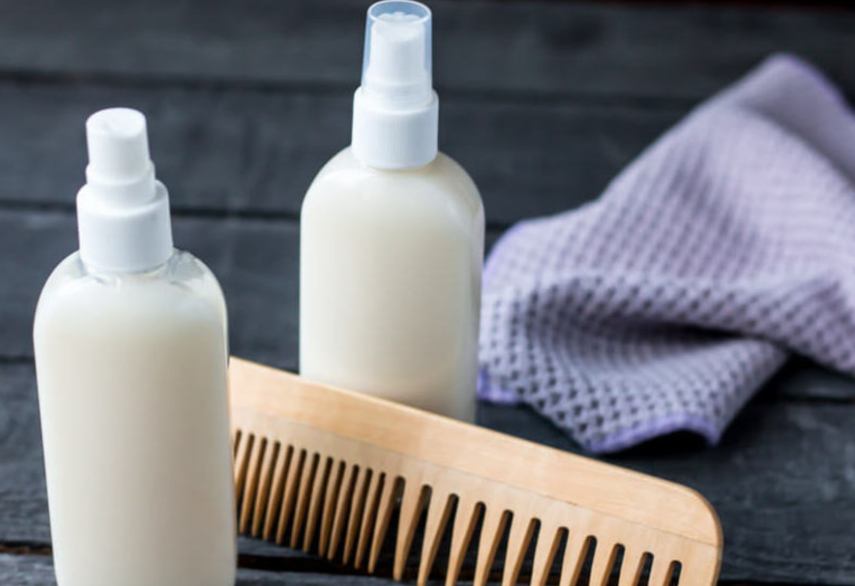
Ever read the back of a shampoo bottle and recognised barely a single word? That’s half the joy of a homemade shampoo for natural hair growth routines: you know exactly what’s going on your scalp. I’ve been natural for fifteen years, and I also make and sell natural hair products at Jostylin Naturals, so on the days you’d rather not get the blender out, have a browse in the store.
Welcome back to the Jostylin blog. Hope you are doing well today. In today’s blog the main topic of focus is How to Make a Homemade Shampoo for Natural Hair Growth on 4B & 4C hair. I understand that finding the best black hair growth products that work on your hair type can be a mission for many of us ladies with with 4C natural hair. Some times we just can’t find the right black hair growth products to help us maintain our beautiful curls. For this reason I am going to start a YouTube video series in March that will include lots of luscious homemade recipes for natural hair growth.
For more homemade hair growth recipes for black hair, check out my articles on: How to make a Homemade Deep Conditioner for Hair Growth. Also, don’t forget to visit the hair shop. You can find a range of luscious hair products to maintain and grow healthy hair. I sell organic and unrefined Batana oil, which will help nourish natural hair. I also sell wholesale batana oil from Honduras as well as organic wholesale Chebe powder, and wholesale ambunu powder.

Key takeaways
- Lots of lather doesn’t mean better cleansing, and sulphates like SLS can strip and dry the scalp.
- Aloe vera makes a gentle, moisturising base for most homemade shampoo recipes.
- Homemade shampoos have no preservatives, so make small batches and use them within a day or two.
- Patch test onion, lemon, vinegar and essential oils, and always dilute essential oils.
- A shampoo won’t make hair grow faster, but a gentle wash means less dryness and breakage.
Benefits of Homemade Shampoo for Natural 4C Hair Growth
There is just as much fun in creating a homemade shampoo recipe as there is with other hair care recipes. Although creating shampoos can be a little bit trickier, as this requires us to experiment and understand what are the right ingredients that will not only cleanse our hair, but moisturise it at the same time.
Homemade shampoos are lovely, but they don’t keep for long. On busy wash days I reach for my Batana Oil Shampoo, which I make with batana oil, biotin and fenugreek, so I can still wash with botanicals when I can’t get the blender out.

Many people tend to gravitate towards shampoos that offer more bubbles or lather, due to the misconception that more bubbles = better cleansing. But this is far from the truth. Sometimes the bubbling effect that is found in most traditional shampoos is nothing more than a chemical reaction caused by the Sulphates that are added in. Drug store shampoos will not cleanse your hair any more effectively than a simple mixture of aloe vera and tea tree oil.
The addition of Sodium Laureth Sulphate (SLS) and other chemical ingredients in shampoos also tend to strip both your hair and scalp from the essential oils they produce, which can often result in excess itching and dandruff. I used drugstore shampoos for many years and my scalp felt like it literaly burned out. I just couldn’t stop itching my scalp, and my dandruff was extreme.
Since using homemade recipes for the last two years, my scalp has felt much calmer and my flaking has reduced a lot. That was my own experience, not a promise, and it may not work for everyone; if you have ongoing dandruff or itching, please speak to your GP or a dermatologist. This is why it is very important that we understand what ingredients work best for us, regardless of our hair type. Most especially those of us with African hair types, we must take our time when choosing the best natural hair products for 4c hair and the best oils for natural hair growth.
However, if you are one of those who prefer shampoos that are very soapy with lots of bubbles, you can also find more naturally derived shampoos that have been processed using the Castille method, that will be perfect for you. Due to their natural ingredients and chemical-free formulation, natural castile soaps are exceptionally mild and safe on the skin.
I have a couple of shampoos in my shop that have been created using the Castille method ‘The Natural Hair Growth Shampoo’ and the new shampoo soap made from organic olive oil and bay leaf. In another article I will teach you how to make both but bear in mind that this process of making soaps can be time consuming. This article will first focus more on easier homemade shampoo recipes that will effectively cleanse your hair.
Best Ingredients to Use in A Homemade Shampoo for Natural Hair Growth
When making natural hair recipes for black hair, first think about the problem your are trying to remedy. For example is your hair too dry? Is it too oily? Is your scalp peeling? Do you have dandruff? When you consider the health of your hair, it will make things easier when choosing the best ingredients for a homemade shampoo. Remember, you want to effectively cleanse your hair, as well as moisturse it.
Generally speaking, most homemade shampoos include ingredients commonly found in deep conditioners such as Aloe vera, honey, eggs, lemons, onions, mineral water and papayas.
Aloe vera is the most common ingredient to use in homemade shampoos and you will find that most of the homemade shampoo recipes I will present to you use aloe vera as its base. This is because aloe vera is gentle and moisturising, which makes it one of my favourite natural ingredients to cleanse and soften hair at the same time. I will discuss more on Aloe vera in the Onion and Aloe vera shampoo recipe.
Add Only The Best Oils for Natural Hair Growth In A Homemade Shampoo
When making a homemade shampoo, opt for using only the best essential oil recipes for black hair growth. A few well-diluted drops of rosemary oil, tea tree oil or nettle oil are traditionally used in scalp care and leave the scalp feeling fresh. Always dilute essential oils and patch test first.
For more information on using oils for 4c hair growth, read my other articles titled:
- Coconut oil for natural hair growth
- Olive oil for natural hair growth on black hair
- Homemade hot oil treatment for natural hair growth
- Best oils for natural hair growth
- Castor oil for natural hair growth on black hair
- Hemp oil for natural hair growth
- Best oils for natural hair growth
Adding Herbs Such As Chebe Powder to Your Homemade Shampoo For Natural Hair Growth
For more information on the best herbs for natural hair growth, read the article: Herbs for hair growth and thickness. Chebe powder is traditionally used by Basara women in Chad to coat the hair and help with length retention. You can purchase the Jostylin Chebe Powder from our hair shop.
Aloe Vera Homemade Shampoo for Natural Hair
As mentioned above, Aloe vera is the most essential ingredient to add in your shampoo recipe and is one of the most beneficial ingredients added to many black hair growth products. When I use aloe vera regularly, I find my hair looks more hydrated and feels softer.
Many people with an oily scalp like it because it is light and doesn’t leave hair greasy. It may help with dryness and frizz and leave hair looking cleaner.
It is a great natural moisturizer, because its antioxidants, vitamins and mucilage help to condition and soften the hair and give it a lot of shine. It doesn’t treat hair loss or alopecia, so if you are losing hair, please see your GP or a dermatologist.
A small early study found an aloe cream eased scaling and itching in seborrheic dermatitis, but if you have ongoing dandruff or a flaky scalp, a doctor or dermatologist is the best person to advise you. Aloe also helps keep hair fibres flexible and supple.
There are several homemade aloe vera shampoos that you can prepare, but then we are going to show you some of the recipes that can offer you the best results when it comes to taking care of your hair and keeping it always perfect.
Onion and Aloe Vera Homemade Shampoo
Onion is a traditional kitchen remedy for hair, and it is rich in sulfur and quercetin. One small early study looked at onion juice on patchy hair loss, but the evidence is very limited, so I see this as a traditional recipe to try rather than a hair loss treatment. Onion can sting, so patch test first, and if you are losing hair, please see your GP or a dermatologist.
Ingredients
1 glass of aloe vera gel It can be extracted directly from the plant or from a gel purchased at an herbalist or natural products store.
1 medium onion
2 cups of warm water
sweet almond oil
Preparation: Peel and cut the onion into medium pieces. Crush the onion to obtain a kind of juice. In the blender, add the aloe vera gel, onion and a few drops of sweet almond oil. Process all ingredients until the mixture obtained is homogeneous. Add the two cups of warn water and continue processing.
This recipe can be used once a week as a hair wash. Do not worry about the smell of onion, because when you rinse your hair it will disappear.
For more information on hair loss read my article on Afro hair loss treatment. Also you can read my article on How to Grow Natural Hair Fast.
Aloe Vera & Honey Homemade Shampoo for Damaged Hair
Aloe vera mixed with honey is another great homemade shampoo that helps hydrate dry, damaged hair. Honey is a natural humectant that attracts moisture and helps stop hair drying out. In addition, it brings a lot of softness and shine to your hair.
Ingredients
1 glass of aloe vera gel
2 cups of warm water
4 large spoons of honey
Preparation: In a blender, pour the aloe vera and honey and process until they are integrated. Add two cups of warm water the mixture and continue to blend.
Wash your hair with the mixture applying it on the damp scalp and give circular massages to distribute it well by all the strands.
Let it sit for about 10 or 15 minutes and then rinse with plenty of warm water. To close the hair cuticles, I recommend that the last rinse be done with cold water.
Aloe Vera Shampoo and Jojoba oil for Frizz Control
Jojoba oil is an ideal oil for shampoo recipes as it is similar to the scalp’s natural sebum, so it moisturizes the scalp without feeling heavy and helps fight frizz.
Ingredients:
4 tablespoons of aloe vera gel.
4 tablespoons of jojoba oil. You can find it in herbal shops or in stores specializing in the sale of natural products.
4 tablespoons of mineral water.
Preparation: First, mix the aloe vera with the water in a bowl. Stir well. Add the jojoba oil and keep stirring until a homogeneous mixture is obtained. Use the preparation to wash your hair in the shower, perform circular massages so that the shampoo penetrates well in the roots and lets act for about 5 minutes. After that time, remove with plenty of warm water making a final rinse with cold water.
Aloe Vera and Papaya for Dry hair
The following recipe can help with dry hair, leaving it softer, shinier and more moisturized.
Ingredients:
1 large quality papaya
1 tablespoon of aloe vera
2 cups of warm water
5 drops of tea tree oil
one tablespoon sweet almond oil
Preparation: To make it, cut the papaya into small pieces and cut it to the texture of a puree. Add the spoonful of aloe vera to the papaya puree. Boil two cup of water and leave to cool for 5 minutes. Add the puree and 5 drops of tea tree oil. Blend both ingredients and pour in a spray bottle.
Aloe Vera, Sweet Almond Oil and Calendula Homemade Shampoo for Dry Hair
To nourish the hair in depth and provide extra hydration, mixing aloe vera with calendula is another option. And it is joined by the powerful moisturizing properties of sweet almond oil with the great humidification that the calendula provides, as well as leaving an incredible shine on the entire mane.
Ingredients:
15 g of calendula
1 small spoonful of almond oil
4 tablespoons of aloe vera gel
half cup water
Preparation: Place the calendula petals in a saucepan with water and let it boil for 15 minutes on the fire. Then strain the mixture, add the alove vera gel and almond oil, stir well until it is diluted and when cool and you can wash your hair with this homemade shampoo.
Aloe Vera, Sweet almond oil and Chamomile Shampoo for Oily Hair
Oily hair needs special care in order to reduce the excessive production of sebum on the scalp and hold off the oily aspect that characterizes it . Many times a bad choice of shampoo can end up accentuating this capillary problem. If you want is to eliminate the greasy aspect of your hair but add extra shine, this chamomile hair shampoo is perfect for you.
The ingredients you need are:
chamomile
lemon
cider vinegar
2 cups of warm water
4 tablespoons of aloe vera gel
Preparation: Prepare an infusion of chamomile with two tablespoons of it, strain it and add a few drops of lemon, 2 tablespoons of cider vinegar and 1 cup of neutral shampoo. Mix all the ingredients until you get a uniform mixture and your shampoo is ready to use. Keep it out of your eyes, as lemon and vinegar can sting.

Want to share this infographic on your site? 📋
You’re welcome to use it on your blog or website. Just copy the code below so it credits Jostylin.
<a href="https://jostylin.com/homemade-shampoo-for-natural-hair-growth-4c-black-african-hair/"><img src="https://jostylin.com/wp-content/uploads/2026/11/jostylin-909-infographic.jpg" alt="Infographic: 6 tips on homemade shampoo for 4C hair, with Joanna's natural hair" width="600" /></a><br />Infographic by <a href="https://jostylin.com/homemade-shampoo-for-natural-hair-growth-4c-black-african-hair/">Joanna at Jostylin.com</a>Homemade Shampoo for Natural Hair Growth: Frequently Asked Questions
Can a homemade shampoo make natural hair grow faster?
I’d be honest: a shampoo is on your hair for a few minutes, so it won’t change how fast your hair grows. What a gentle homemade shampoo can do is clean your scalp without stripping it, which means less dryness, itching and breakage. A comfortable, healthy scalp and less breakage are what help you keep your length.
How long does a homemade shampoo for natural hair keep?
Because these recipes have no preservatives, make small batches and use them within a day or two, keeping any leftovers in the fridge. Fresh ingredients like onion, papaya and aloe gel spoil quickly. If it smells off or looks cloudy or mouldy, throw it away.
How often should I wash 4C hair with a homemade shampoo?
Once a week works well for most of us with 4C hair. Homemade shampoos are gentle, so if your scalp gets oily or you work out a lot you can wash a little more often. Always follow with a conditioner and seal in moisture afterwards.
Is a homemade shampoo safe for a sensitive scalp?
Patch test first, especially with onion, lemon, vinegar and essential oils, which can sting sensitive skin. Always dilute essential oils and keep everything out of your eyes. If your scalp becomes red, sore or very itchy, stop and speak to your GP or a dermatologist.
What the research says about homemade shampoo for natural hair growth
- A 1999 double-blind trial of 44 adults found an aloe vera emulsion reduced scaling, itching and the number of affected areas in seborrheic dermatitis compared with a placebo. It was small and old, and it was about flaky skin rather than hair growth, but it’s the best evidence I’ve found for aloe on an irritated scalp (study).
- A 2015 review of hair cosmetics explains that the hair’s outer layer has a natural water-repelling lipid coating, and that harsh or alkaline products can strip it, leaving hair more porous and prone to damage. That’s one reason I prefer gentle cleansers on my 4C hair (study).
- A 2019 review of seborrheic dermatitis in skin of colour noted that it may be slightly more common in African Americans, and can be made worse by heavy oils and pomades and by washing too rarely, so a regular, gentle wash really does matter for our scalps (study).

Hi, I’m Joanna. I’ve been natural for 15 years and I founded Jostylin Naturals, a London-based shop for natural hair care and West African botanicals. On this blog I share what I’ve learned about 4C hair, length retention and the plants West African women have used for generations, honestly and in plain English. Nothing here is medical advice, so please speak to your doctor about any health concerns.