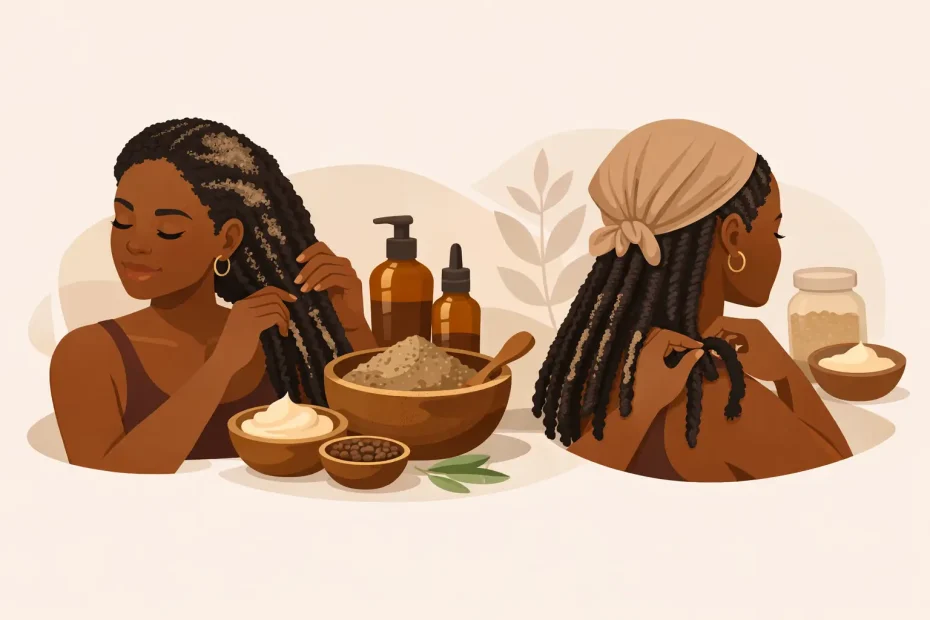
If your hair feels like it loses moisture as fast as you add it, my beginner’s guide to chebe routines can save you a lot of trial and error. Chebe is one of those traditional hair practices that gets talked about as a miracle, but the real value is simpler and more honest. It can help support moisture retention and length retention when you use it correctly, especially on textured hair that thrives with low-manipulation care.
That matters because chebe is not a quick growth hack. It is better understood as a supportive step inside a routine that protects your strands from drying out, snapping, and constant handling. When I talk about chebe, I always want to ground it in what it does well and where people go wrong.
What Chebe is really doing in a routine

Chebe powder is lavender croton mixed with various resins and herbs like clove. It is traditionally associated with hair care practices from Chad, especially among women known for preserving long hair through consistent, protective routines. The powder itself is not the whole story. The routine around it is the story. Moisture, sectioning, braiding or twisting, low manipulation, and keeping the hair stretched all work together.
That is why some beginners try Chebe once as a mask, wash it out, and then feel disappointed. Chebe tends to make more sense when you use it as part of a method focused on keeping moisture in the hair shaft and reducing friction.
For many people with type 4 hair, that goal alone can make a visible difference over time.There is also an important trade-off here. Chebe can feel very helpful on the hair lengths, but it does not suit every scalp.
If you have a sensitive scalp, active irritation, or heavy buildup issues, you may do better keeping chebe strictly on the strands and off the scalp.
Try the Jostylin Naturals Chebe Powder

A beginner guide to chebe routines that keeps things simple
The easiest mistake is doing too much too soon. If you are new to chebe, start with one simple routine and give it a few weeks before you decide whether it fits your hair.
A good beginner routine starts on clean or lightly refreshed hair. I like to work in sections because textured hair responds better when each section gets enough product and attention. Begin with a water-based moisturizer or light leave-in. Your hair should feel hydrated, not soaking wet.
Next, apply an oil or butter to seal in that moisture. After that, add a small amount of chebe mixture to the length of the hair, focusing on the mid-lengths and ends rather than the scalp. Then braid or twist each section to keep the hair stretched and protected.
That is the core of it. Moisturize, seal, apply chebe to the strands, then keep the hair tucked away.
For a beginner, once a week is often enough. If your hair is very dry and you already do extended protective styling, you may prefer refreshing every few days with a light mist and a small amount of product. But weekly is a good starting point because it lets you observe how your hair responds without overwhelming your routine.
How to mix chebe for beginners
There is more than one way to use chebe, and that is where a lot of confusion starts. Some people mix the powder with oils only. Others combine it with butter, conditioner, or a creamy leave-in. The best option depends on your hair density, your wash schedule, and how much buildup your hair tolerates.
If you are brand new, keep the mixture simple. Blend a small amount of chebe powder with a lightweight oil or a creamy moisturizer until it becomes easy to spread. You do not want a gritty, heavy paste that drags on your strands. You want something that coats the hair lightly.
If your hair is fine or low density, go lighter. Too much chebe can make the hair feel coated and stiff. If your hair is thick, dense, and tends to shrink tightly, a richer butter-based mix may feel better and last longer in twists or braids.
One practical note – chebe is usually better on stretched hair than loose hair. Loose application can create tangles if you are not careful, especially if your coils like to wrap around themselves.
The best beginner guide to chebe routines starts with realistic expectations
Chebe is often discussed as if it causes hair growth on its own. I do not think that framing helps beginners. Hair grows from the scalp, but length retention happens on the ends. Chebe may help you keep more of the hair you grow by reducing dryness and breakage when paired with moisturizing habits and protective styling.
That distinction matters. If your scalp health is poor, your diet is lacking, or your hair is constantly exposed to friction from rough detangling, heat, or tight styles, chebe will not cancel those issues out. It works best as part of a complete care practice.
So what should you expect? Softer hair when properly moisturized, less breakage from overhandling, and better preservation of length over time. You may also notice that your twists and braids stay feeling conditioned longer. What you should not expect is overnight transformation.
Who should be careful with chebe
Chebe is not automatically right for everyone. If you wear wash-and-go styles most of the time, you may find the powder annoying or too messy. If you struggle with scalp conditions, heavy products can make things worse if they are applied carelessly. If your hair is protein-sensitive or easily overloaded by layered products, you may need a lighter hand.
You should also be careful if you are prone to allergies or ingredient sensitivities. Traditional blends can vary. Always check what is in your chebe product and patch test before putting it throughout your hair.
For locs, relaxed hair, color-treated hair, and very fine strands, the answer is not a hard no, but it definitely depends. The routine may need adjusting so the hair gets the benefit of moisture retention without excessive residue or tangling.
Common beginner mistakes with chebe routines
The first mistake is applying too much. More product does not always mean more benefit. When chebe is layered too heavily, hair can feel coated, attract lint, and become harder to cleanse.
The second mistake is skipping moisture. Chebe is not a replacement for hydration. If you put it on dry hair without enough water-based moisture underneath, you may end up sealing in dryness.
The third mistake is using it on the scalp when your scalp is already reactive. A calm scalp supports healthy hair habits. An irritated scalp can make any routine feel like a failure.
The fourth mistake is expecting one method to work for every texture and lifestyle. Some people do best with a weekly chebe braid routine. Others prefer using it only before a longer protective style. Your routine should fit your life, not create stress.
A simple weekly chebe routine for textured hair
If you want something practical, here is a straightforward rhythm. Cleanse or co-wash your hair, depending on your buildup level. Apply a leave-in or moisturizing cream in sections. Seal lightly with oil or butter. Add a small amount of chebe mix to the lengths. Twist or braid each section. Keep the style in for several days while lightly refreshing as needed.
At the end of the week, assess your hair before repeating. If it feels soft and strong, continue. If it feels coated or dull, reduce the amount of chebe or clarify more often. If your scalp feels bothered, keep the product farther away from the roots next time.
That kind of observation is what makes a routine sustainable. A culturally rooted practice deserves patience, not hype.
For readers who want to build a more intentional natural hair routine with botanicals, Jostylin’s approach is always to make traditional ingredients usable in real life, not just aspirational on paper.
How long to stick with a chebe routine
Give it at least four to six weeks before judging it. Hair care routines often fail not because the ingredient is wrong, but because the method changes every few days. Consistency gives you real feedback. It lets you see whether your ends are breaking less, whether your hair stays moisturized longer, and whether your protective styles are easier to maintain.
If the routine feels supportive, keep refining it. If it feels heavy, irritating, or hard to maintain, adjust without guilt. Traditional beauty practices are powerful, but they still need to meet your present-day hair needs.
The best place to start is simple: use chebe to support moisture, keep your strands protected, and let your hair tell you what it needs next.